


Apples
There’s no shortage of apples to pick this month – both the last of the early varieties and the first of the mid- or late varieties. Fruit that is ripe and ready to pick should come away with a gentle twist of the hand, and with its stalk still attached.
Apricots
Harvest your remaining apricots early this month. Leave it any later and, as the days shorten and temperatures drop, it becomes increasingly unlikely that any still left on the tree will ripen.
Aubergines
Pick aubergines while the skins are unblemished and still have a glossy shine to them. Once they lose that shine, they begin to go downhill, and may develop an unpleasantly bitter taste.
Beetroot
Keep lifting the roots before they get too large. By all means pickle them if you wish, but first try them cut into chunks, doused generously in olive oil and balsamic vinegar, and then roasted.
Blackberries
Late-season blackberries should ripen this month. Pick the berries when they are fully-coloured and soft but not squishy. Unlike raspberries, the core or plug usually pulls away with the berry instead of staying on the bush.
Blueberries
If you have one of the late-season varieties, you may be lucky enough to have a few remaining blueberries ready to harvest this month.
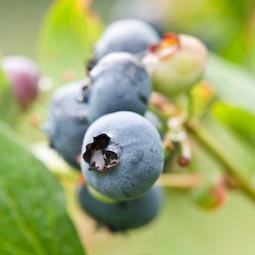
‘Brigitta’, ‘Chandler’, and ‘Ozark Blue’ are varieties that should still be cropping in September.
Broccoli
Of all broccoli varieties, ‘Romanesco’ is perhaps the most remarkable. Not only is its head formed from seemingly infinite spirals of lime-green, fractal-like flower buds, but it’s also one of the sweetest and tastiest of all broccolis.
Brussels sprouts
Harvest your first sprouts of the year – though they may still be very small.
Cabbages
Red cabbages are usually sown and planted at the same time as summer and autumn cabbages. They should be ready for harvesting between August and November.
Cape gooseberries
Cape gooseberries, also known as physalis, should begin to ripen this month. Start picking them when the outer husks dry up and turn brown, revealing the bright orange fruits inside.
Carrots
Lift carrots carefully to avoiding snapping off the roots. Use a handfork if the soil is hard and compacted.
Cauliflowers
Cut cauliflowers once the heads have developed but while the tiny flower heads (or “curds”) are still tightly closed.
Celeriac
If you can’t wait, lift a few early celeriac, but they’re unlikely to be fully grown yet.
Celery
Dig up self-blanching or green celery after first watering it. Trim off the roots and any outer shoots, and keep the heads in the fridge. Stand stems in cold water to crisp them up before eating.
Chicory
Early summer sowings of red and sugarloaf chicory should be ready to harvest now. Pick individual leaves or uproot the entire plant.
Chillies and peppers
Many chillies and peppers turn from green to red as they mature and ripen. The red ones will be both hotter and sweeter than immature green ones.
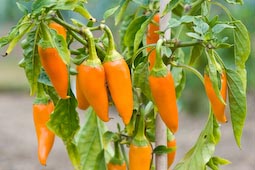
Chillies will keep ripening well into September, particularly if we get a warm, dry Indian summer.
Courgettes and summer squash
Late sowings should still be going strong and will still need harvesting frequently.
Cranberries
The first cranberries should be ready for picking this month, although there’s no hurry. You may prefer to leave them on the bush until they are all ripe, and harvest them together in one go.
Cucumbers
Regularly harvest cucumbers, before any of them grow too large. And make sure you have picked them all before there’s any danger of frost.
Endive
Start harvesting both the blanched frisée and the broad-leaved endives.
Figs
Leave figs to ripen on the tree for as long as possible, but harvest any that still remain by the end of the month. If you’re careful not to bruise the fruits, they should keep for a surprisingly long while – up to two or three weeks if you cover and store them somewhere cool.
Florence fennel
Lift the whole plant and cut off the roots and foliage, leaving just the edible bulb.
French beans
Late sowings should be providing you with plenty of beans to harvest. Pick them to eat fresh or leave them in place to dry.
Globe artichokes
Established plants may well produce a second crop of flowerheads that can be harvested now – but pick them all by the end of the month.
Turnips
Continue lifting turnips before the roots grow too large.
Winter radishes
The roots of winter radishes are much larger than those of the salad varieties.
Winter squash
Begin harvesting pumpkins and winter squash, but they’ll keep for longer if you dry or “cure” them in the sun to harden their skins.
Garlic
Lift the last of your garlic this month. Dry it out and hang it up ready to use as and when you need it during the next few months.
Globe artichokes
Keep picking globes once they swell up but before they open, working your way down the plant from top to bottom.
Grapes
September marks the start of the grape harvest. Early varieties may be picked now, although the longer you leave them on the vine, the higher their sugar content will be – especially in warm, sunny Indian summers.
Kohl rabi
Slice off the swollen stems at root level and trim off the larger, outer leaves.
Land cress
American or upland cress sown in early summer will be ready to harvest. Pick the leaves as a cut-and-come-again crop and eat them raw in salads or use for cooking, as you would watercress.
Leeks
If you’ve timed things well, your first leeks should be ready about now – just as the last of the year’s onions are finally finished.
Lettuces
Harvest lettuces such as the red semi-cos shown here either by uprooting the whole plant or by slicing through the main stem just above soil level.
Marrows
To store vegetable marrows, leave them in the sun to “cure” so their skins harden.
Melons
Late-season melons grown under cover – in polytunnels or cold frames, for example – should ripen this month.
Onions
Lift any remaining onions this month. Dry them out and hang them up somewhere cool and well ventilated. They should last for several months.
Oriental leaves
You can still pick mustard greens, mibuna, and komatsuna as baby salad leaves but, as autumn approaches, leave some to grow on, to steam or stir-fry.
Peaches and nectarines
Late-season peach and nectarine varieties may not be ready for picking until September. Not a problem if they’re grown in a warm climate or under cover, but they’re probably not the cultivars to choose to grow outdoors, where they are unlikely to ripen.
Peas
Maincrop peas should still be producing. Keep picking regularly and remove any overlooked overgrown pods.
Pears
It’s trickier to tell when they’re ready to pick than it is with apples, but the same technique applies: if, when gently twisted, the fruit pulls off the tree easily, complete with its stalk, that’s good. If it doesn’t, leave it for a little longer.
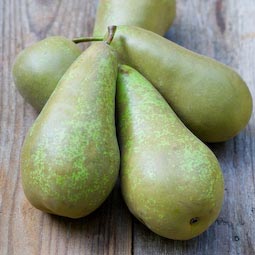
This month sees the first of the late-season pears, such as this ‘Conference’.
Plums, damsons, and gages
Late-season plums ripen in September. So, too, do most damsons, which – because they are used for cooking – may be picked while still slightly unripe.
Potatoes
Maincrop potatoes will be ready to lift this month.
Radishes
Late summer radishes can be harvested now from sowings made around July.
Raspberries
Autumn-fruiting raspberries should continue cropping from August until the first frosts next month – or, in mild areas, even later.
Runner beans
Pick the new, young beans still forming. Discard any that have grown too large; they’ll be tough and stringy.
Salad leaves
Corn salad, summer purslane, rocket, and baby-leaf Oriental brassicas should still be cropping this month.
Spinach
Keep harvesting regularly if you still have plants that haven’t bolted.
Spring onions
This is probably the last month for salad onions – but any left in the ground may well grow on and fatten up to provide you with a few extra regular onions.
Strawberries
Perpetual strawberries should continue cropping this month and – if there are no early frosts – next month, too. Keep them netted, and watch out for slugs. The fruits remain as tempting as they were earlier in the year.
Sweetcorn
Modern “supersweet” varieties are so sweet that, when perfectly ripe, you can eat them raw, straight from the plant. Otherwise hurry home to cook and eat them as soon as possible, before the sugars turn to starch.
Sweet potatoes
Dig up your first crop this month.
Swede
The first swedes of the year should be ready this month. They will, of course, grow bigger if left in the ground, but it’s tempting to lift a few as soon as they are large enough to use.
Swiss chard
Harvest the leaves before they grow too large, cutting them from the outside of the plants and discarding any that are damaged. New leaves will shoot up in the centre.
Tomatoes
Large, beefsteak tomatoes take longer to develop than smaller, fast- maturing varieties, and can crop well into September if the weather remains warm.
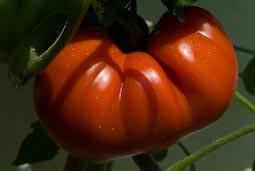
‘Country Taste’ is a modern hybrid that bears huge fruits over a long period.
Vegetables
Aubergines
Beetroot
Broccoli
Brussels sprouts
Cabbages
Carrots
Cauliflowers
Celeriac
Chillies and peppers
Courgettes
Florence fennel
French beans
Globe artichokes
Kohl rabi
Leeks
Marrows
Onions
Oriental leaves
Peas
Potatoes
Runner beans
Spinach
Summer squash
Swede
Sweetcorn
Sweet potatoes
Swiss chard
Turnips
Winter radishes
Winter squash
Salads
Celery
Chicory
Cucumbers
Endives
Lettuces
Radishes
Rocket
Salad leaves
Spring onions
Tomatoes
Fruit
Apples
Apricots
Blackberries
Blueberries
Cape gooseberries
Cranberries
Figs
Grapes
Melons
Peaches
Pears
Plums
Nectarines
Raspberries
Strawberries
Text and photographs copyright © 2010 Alan Buckingham.
 Allotment Month by Month
(Dorling Kindersley, 2009)
 Grow Vegetables
(Dorling Kindersley, 2007)
 Grow Fruit
(Dorling Kindersley, 2010)